How To Change The World
Art by Konstantin Yuon
It feels like everything is falling apart.
The planet is simultaneously flooded and on fire, prices are soaring, wars are raging, and fascism is rising. We live in an age of crisis as the systems of capitalism, colonialism, imperialism, patriarchy, and the state aim to retain their stranglehold on our world. My generation faces a future of profound uncertainty, as the basic means of subsistence—especially food and shelter—are becoming increasingly inaccessible to the vast majority of us. Movements of various political flavours have arisen in response to these conditions, but the machine seems to continue unperturbed. For those of us who haven’t completely given up on the fate of the world, we’re looking for ways to change our trajectory. We want to know what we can do to help.
Our situation calls for real change. It calls for more than just resistance. It calls for revolution. Social revolution: what anarchists propose for a complete transformation of our society, economy, culture, technology, and relationships. Of course, such a revolution would be illegal, so while our situation may call for it, I cannot. As we all know, legality is what determines morality.
However, if we’re operating in the world of fiction, we can explore the practical components of a social revolution. If our characters are facing a slow but potentially apocalyptic collapse in their lifetimes and seeking real change, the answer may lie in social revolution.
Art by Eugene Delacroix
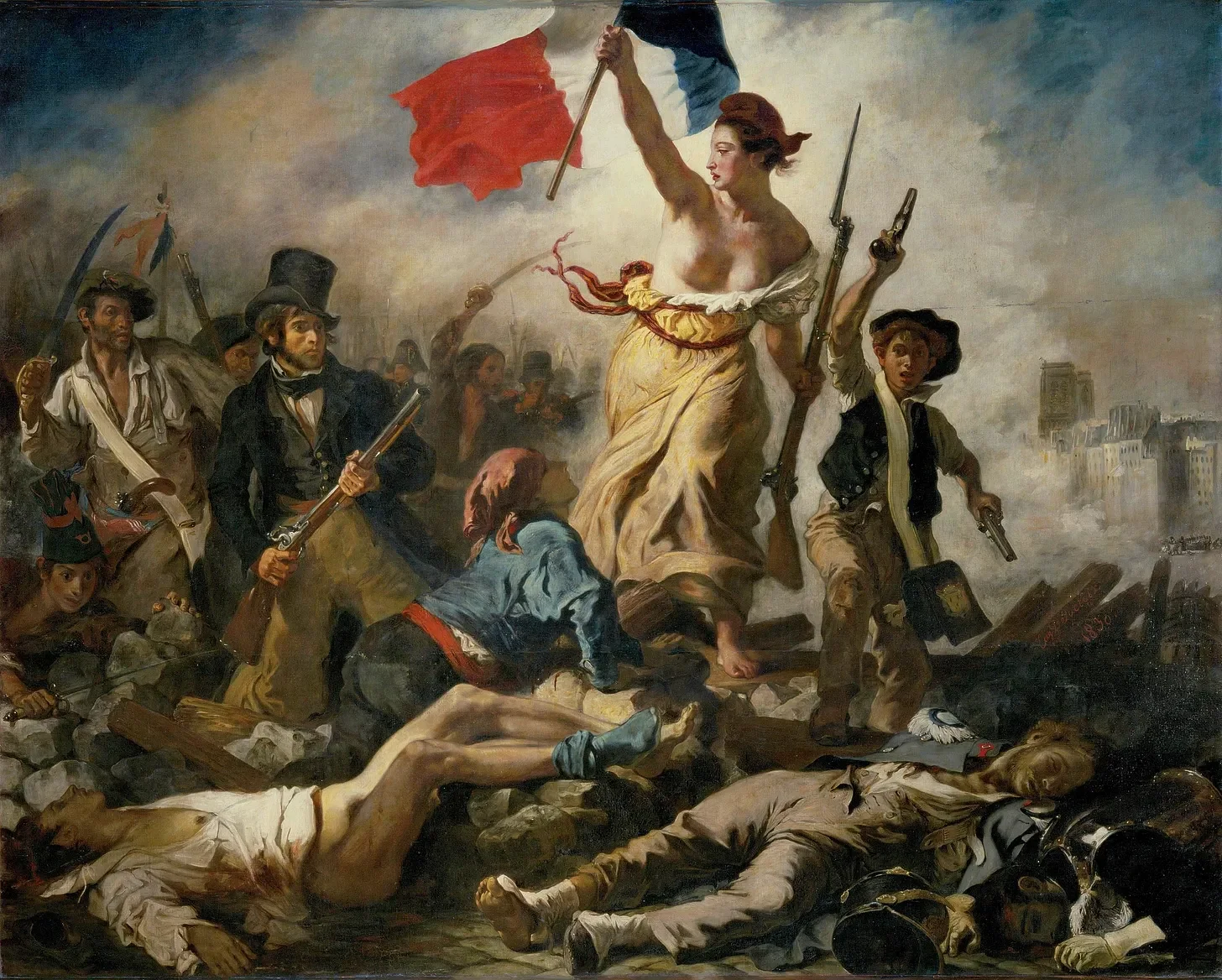
People have a habit of conflating the full picture of revolution with insurrection or coup d’etats. Many works of fiction make this mistake, seemingly drawing from the flashy imagery of the Storming of the Bastille during the French Revolution, which has become the image of revolution in popular culture. A final climactic showdown between the masses and the foot-soldiers of empire. The smell of smoke and gunpowder in the air. The roar of a bloodthirsty crowd. The burning sensation of tear gas overcoming one’s senses. Eventually, success comes with the replacement of one set of rulers by another. This popular notion of revolution treats it as some distinct and distant Event, practically millenarian; the capital-R Revolution shall be bestowed upon the masses with the Second Coming of Karl Marx.
This is not how anarchists approach the concept of social revolution.
Anarchism is a philosophy and practice which opposes authority while proposing the unending pursuit of anarchy, understood as a world without rule where autonomy, mutuality, and free association form the basis of our society. Revolution, understood holistically and anarchistically, “seeks to alter the whole character of society,” in the words of Alexander Berkman. This is a necessarily ongoing, dynamic, and evolutionary process, rooted in the specific conditions of each place, yet connected through solidarity by a universal yearning for freedom. Though it may be punctuated by leaps and bounds of bold achievement which emerge from that process, social revolution is not a sudden flipping of the switch, but a gradual change in people’s consciousness, drives, and powers. The social revolution that anarchists seek requires people transforming society and transforming themselves in the process. It is here and now, developing people’s nascent anarchic tendencies through a range of tactics informed by a variety of strategies built upon an array of short-term and long-term goals.
At the most basic level, a social revolution requires the organised activity of multiple people. While organisation can take many forms and anarchists may disagree on the specifics, generally speaking anarchists emphasise horizontal, decentralised yet networked organisation arising from shared interests, goals, or desired actions. Large or small, temporary or lasting, and local, regional, or even international, groups may form to grow food, organise defence, maintain infrastructure, spread anarchic ideas, and more.
Anarchist activity must seek to simultaneously expand people’s consciousness of systems of oppression and demonstrate the possibilities of alternatives. Through action and through agitprop, which is the intentional promotion of ideas through media. Whether independently or in the context of mass movements, unions, and communities, anarchists aim to develop the anarchic capacities of people to engage in direct action and learn to manage their own affairs without hierarchy.
A social revolution thus takes years of social struggle to break down forms of oppression and create new ways of living through the actions of committed revolutionaries and ordinary people to oppose and propose.
Oppose
Actions to oppose can generally be divided further into two major groups: acts of confrontation and acts of noncooperation.
Acts of Confrontation
Protests are a very public form of action that anarchists may involve themselves in to raise consciousness amongst the frustrated masses and keep the spirit of revolt alive and well. Protests can serve as schools of resistance that disrupt business as usual and teach people that authority can be challenged. People who have spent their whole lives obeying may discover their confidence and collective power through the experience of protest.
Protesting may carry risk. Even non-violent protests can be subject to severe, violent retribution, either from counter-protestors or from the agents of the state. By merely attending protests, activists may be subject to harassment, imprisonment, or even assassination. Protests are also subject to the manipulations of the sophisticated propaganda machine of corporate media and online bot farm operations. Alternative media can help spread the truth about protests, but they must compete with the resources at the disposal of the powers that be, largely on platforms controlled by those same powers.
For anarchists, protests can only accomplish so much. We do not aim to lobby those in power for change. The lobbying approach typically results in a highly hierarchical and disempowered movement, where the masses below do the work and take on the risk, while a minority of activists rub shoulders with politicians and lose touch with the cause. Lobbying requires compromise, while anarchists recognise that the unyielding persistence of a movement can win reforms without ever limiting themselves to reforms. Rather than expending time, resources, and energy trying to appeal to the moral sense of our oppressors through meek, law-abiding demonstrations that pose no real threat, movements should focus on building the power necessary to carry the struggle beyond protest, while still seeing their value as catalysts in the context of a broader social revolution.
Direct action means working to accomplish goals directly rather than relying on authorities or representatives as intercessors. If we want to be free, we have to start acting without permission; simply doing rather than begging for change. Every successful act of direct action weakens the myth that the authorities are indispensable.
Though not all direct action is illegal, direct action is safer with a security culture. As direct action becomes increasingly confrontational or legally risky, the importance of security culture grows correspondingly. Throughout history, governments have relied upon infiltration, surveillance, and prosecution to neutralise dissent. A security culture is an instinctive set of customs developed and shared by a community in order to minimise this risk. The central principle of security culture is that people should never be privy to any sensitive information they do not need to know. Effective security culture should not be confused with paranoia or suspicion of everyone around you. Excessive distrust and careless bad-jacketing can destroy movements just as effectively as infiltration can. Good security culture simply means exercising appropriate caution: sharing information only on a need-to-know basis, avoiding unnecessary records, respecting others’ privacy, and avoiding loose talk that can put yourself or others at needless risk.
Acts of confrontation do not survive on courage alone. Successful movements need robust support networks capable of providing food, transportation, childcare, safe housing, and financial assistance for those who carry out these acts and are facing repression. The stronger these support systems are, the more resilient our movements will be. We will talk more about the constructive side of social revolution later on.
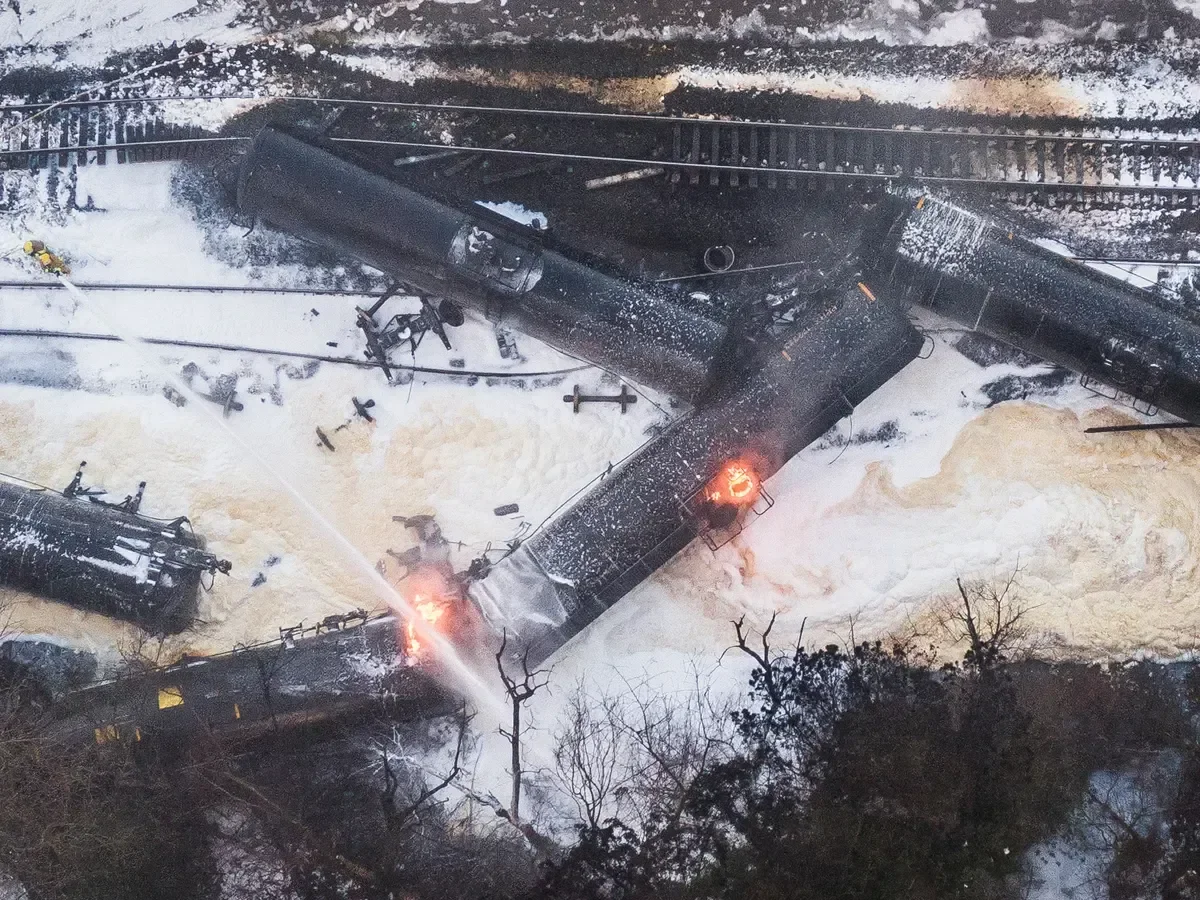
Obstruction refers to any actions that movements may engage in that seek to delay or cease the operations of those in power by making it impossible or impractical for them to proceed with their intended actions. By disrupting the flow of people, goods, information, energy, and capital, movements introduce friction which can impose significant economic, political, and logistical costs, forcing authorities to expend resources overcoming resistance instead of pursuing their objectives. Using sheer numbers or shrewd strategies, this can range from a DDoS attack to highway blockades to eviction resistance to arms shipment blockades to the disruption of mining, logging, construction, or drilling activities that are damaging the environment and endangering poor communities. As with all acts of confrontation, obstruction is rarely without cost. Participants may face arrest, injury, or death. Movements therefore have to weigh the strategic value of disruption against its potentially dire consequences.
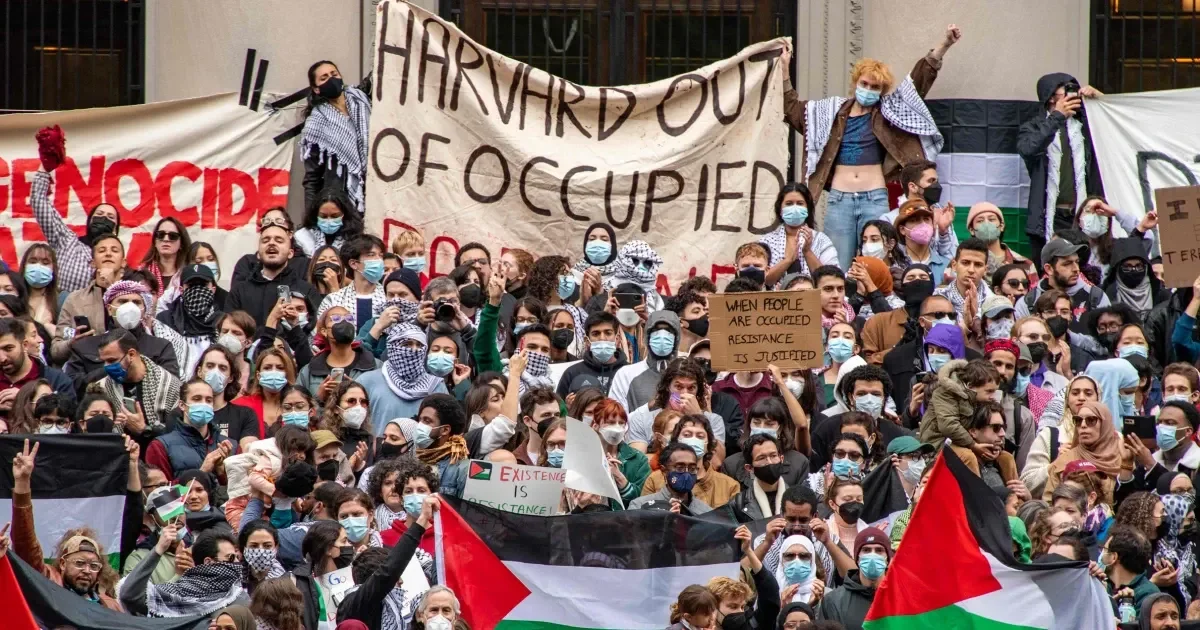
Another (usually temporary) tactic is occupation, where a collective may squat and hold critical infrastructure such as factories, transportation systems, school buildings, shopping centres, public squares, parks, and empty land or housing in order to force change or construct counter-spaces. Through occupation, movements can demonstrate that people are capable of collectively reimagining, managing, and transforming spaces according to human needs rather than state or corporate interests.
If sustained and defended, occupation can eventually lead to a more permanent reclamation, such as when the workers’ occupations in Argentina during the 2001 economic crisis led to the creation of self-managed cooperatives. We can consider it a small win wherever land and housing has been secured, counter-economic projects have been developed, and commons have been reclaimed through sustained and defended occupation.
Expropriation is another example of direct action which “liberates” food, medicine, money, supplies, or equipment and redistributes them to those in need. States and capitalists accumulated great wealth through systems of exploitation and enclosure, i.e. theft. Taking back resources for collective use merely reclaims what they have stolen from society. There is a difference between expropriation for individual ends (shoplifting food because you’re hungry) and expropriation for collective ends (redistributing food to others), but the end goal of meeting needs is the same. Historically, many affinity groups have engaged in bank robberies and other forms of theft in order to finance their revolutionary activities, propaganda, and bails from prison. New Afrikan anarchist Kuwasi Balagoon was imprisoned for an attempted bank robbery in order to fund Black Liberation Army activities and Lucio Urtubia was a Spanish anarchist known for his practice of expropriative anarchism. Though expropriation may invite repression, those who carry it out maintain that the unequal distribution of resources anywhere calls for direct action.
In a similar vein, sometimes revolutionaries seek sabotage and destruction of property instead of expropriation. The deliberate disruption, disabling, or destruction of infrastructure, equipment, or other material assets can impede the functioning of state and capital. Throughout history, sabotage has taken many forms. Enslaved people damaged tools, slowed production, and destroyed crops to undermine the plantation economy. During apartheid, the MK guerrillas targeted the communications, transport, and energy infrastructure that sustained the South African regime. Indigenous land defenders in Canada have sabotaged equipment used to expand fracking operations near their land. Though these actions differ greatly in scale and context, they all reflect the same strategic principle, that destructive disruption can weaken the ability of dominant systems to reproduce themselves. However, disruptive destruction can also impede the functioning of everyday life for ordinary people, alienating potential supporters and inviting reaction.
Lastly, there are acts of confrontation that involve violence against humans. This violence can be either offensive or defensive, organised by militias or undertaken by individuals. As with destruction of property, such action invites backlash. The effectiveness of such acts vary according to context. But a long look at the history of authoritarian violence points to the fact that people will secure their freedom only by overthrowing every existing and would-be authority and defending against those who seek to re-impose that authority through self-managed forms of confrontation and defence.
Acts of Noncooperation
On the other side of the “oppose” coin are acts of noncooperation.
Strikes are perhaps one of the most well-recognised forms of potentially revolutionary action, but people underestimate exactly how powerful and multifaceted a strike can be. There are different types of strikes that encompass different segments of the population and target different segments of the system.
Labour strikes are a mass refusal of workers to work. They can occur in a specific workplace, a specific industry, or in the case of a general strike, across multiple industries. Strikes can be organised and called for by unions or they can be organised without the approval of unions and with significantly more risk, as with wildcat strikes. For anarchists, wildcat strikes can be necessary to circumvent the capitulatory and bureaucratic nature of some unions, as very few unions these days are meaningfully revolutionary, and, due to a variety of factors including the rise of the high-turnover, atomised jobs of the service economy, very few workers are unionised.
Strikes are born from the recognition that capitalists need labour, not the other way around. Particularly for movements with radical aims, a well-defended and well-supported general strike can play a powerful role in the rupture of the capitalist state of affairs and reclamation of the means of production. However, it isn’t easy to achieve a general strike, let alone to push it toward revolutionary ends. A revolutionary general strike would need support from a grassroots coalition of radical projects and organisations capable of filling the gaps opened up by such a profound strike against the political and economic order. It won’t be achieved via Reddit.
Student strikes bring together affinity groups within educational institutions and mobilise specific classes or entire student bodies to protest issues in politics and academics, without waiting to be legitimised by the channels of authority. Students can use their campus as a space to meet, study their conditions, and create spaces to strengthen their educational and political autonomy.
Rent strikes are a method of resistance tenants can use against landlords where they collectively refuse to pay rent. They can operate as part of an effort to occupy and reclaim housing or they can just push particular demands such as better conditions or lowered rents. A rent strike needs three basic elements in order to succeed: shared commitment among tenants, outreach beyond fellow tenants to build the threat of the strike, and finally, support, both legal and physical, against evictions.
Taxpayer strikes, or organised tax resistance, refer to a collective refusal to pay tax. Governments have always struggled with tax non-compliance and the tactic has been used as a supplement to protests against wars or, in the case of the Indian independence movement, against the colonial state.
Debt strikes are a method of collective debt resistance that aims to break down the current debt dogma and free people from the stranglehold of usurious debt. Organisations such as Strike Debt purchase and forgive monetary debt through the Rolling Jubilee program and organise debt strikes where debtors defer their loan payments as a method of mass financial civil disobedience.
On the consumer side of things, boycotts are a popular form of collective action and passive resistance. Though not as effective as they used to be due to the multinational and conglomerate nature of today’s capitalism, on a targeted small-scale or well-coordinated large scale, if organised into mass movements and undertaken in coordination with sympathetic strikes, consumer boycotts can have some impact in the social revolutionary struggle.
Other acts of noncooperation may include: conscientious objection for draftees, mutiny and insubordination for soldiers and other government workers, and social pressure through the shunning of class traitors, scabs, and others who act to uphold oppressive systems.
Propose
As emancipatory movements cannot solely oppose what is, we must turn to the side of social revolution that takes action to propose and build what could be, through acts of promotion and acts of prefiguration. But before we do so, we need to understand the feedback loop of powers, drives, and consciousness and its revolutionary implications, courtesy Prefigurative Politics: Building Tomorrow Today by Paul Raekstad and Sofa Saio Gradin.
Powers refer to our abilities to act, be, and experience, which depend upon a combination of internal capabilities and external conditions that allow those powers to be exercised. External conditions refer to the material, social, and environmental circumstances required for an activity to be possible. For example, reading this article requires access to a device, electricity, and Internet in the 21st century. Carrying out a strike requires relationships with fellow workers, effective coordination, and favourable social conditions. Internal capabilities enable a person to make use of their external conditions: to read, write, speak, listen, learn, move, and so on.
Powers are inherently relational and processual. External conditions are constituted by social relations that people participate in; internal capabilities are continually maintained through the body’s interaction with its environment; and those internal capabilities develop through earlier processes of interaction, learning, and development within specific environments. Our powers are produced, maintained, developed, or diminished through our life activity and interaction with our environments. The structure of a radical organisation can therefore either develop or constrain people’s powers in a liberatory direction. Socially revolutionary projects must concern themselves with developing people’s capacity to organise as free equals, rather than merely mobilising whatever capacities they already possess as conditioned by a hierarchical society.
Drives are the full range of human motivations, conscious and unconscious, including our desires, goals, values, concerns, and needs. What we want isn’t fixed independently of our circumstances. We might share the same basic drives, such as hunger or thirst, but our cultural and historical circumstances will determine how we fulfil those drives—hence the sheer variety of cuisines around the world. Our experiences and relationships shape what we desire, while our desires lead us to seek particular experiences and relationships. Our powers and drives develop together. A person who develops a strong desire to listen to jazz music, for example, is likely to listen to more jazz, thereby developing their ability to appreciate it further. New experiences can therefore create new drives. Experiencing genuinely free and equal relationships can make repressive and exploitative relationships less tolerable. Developing the powers through those experiences to understand, appreciate, and participate in those relationships stimulates the drives to create, maintain, deepen, and extend those relationships.
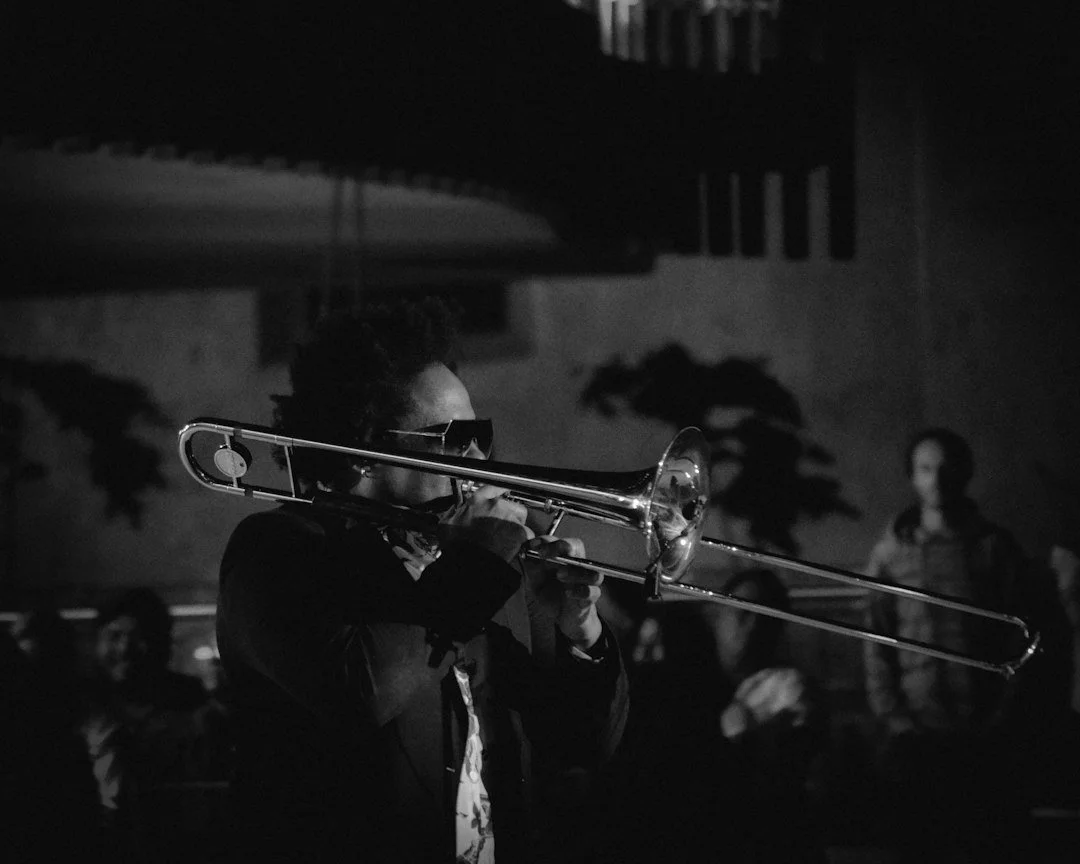
Photo by Jorge Zapata on Unsplash
Finally, consciousness refers to our capacity to reflect upon our activity and deliberately alter it as our needs and interests change. There is a reciprocal relationship between consciousness and environment: our conditions shape what we can think and understand, while what we think and understand can subsequently transform those conditions. Consciousness empowers us to act back on the world by developing tools and concepts which expand what we can identify, distinguish, desire, and organise around. Our powers and drives are thus expanded or constricted by our consciousness. Theory and practice can both develop consciousness, but experiences are particularly transformative. Once we have experienced a possibility, we can think about it and build upon it. But be warned, consciousness can also mislead us. We can misread our circumstances, get trapped in flawed frameworks, or overestimate our powers, leading to misdirected effort and even harm.
Powers affect what we can be and do, drives affect what we want to be and do, and consciousness affects how we understand and deliberately change what we can be and do. Each is shaped by the others.
Acts of Promotion
Acts of promotion are attempts to develop and spread ideas, information, and ways of understanding through radical media and education.
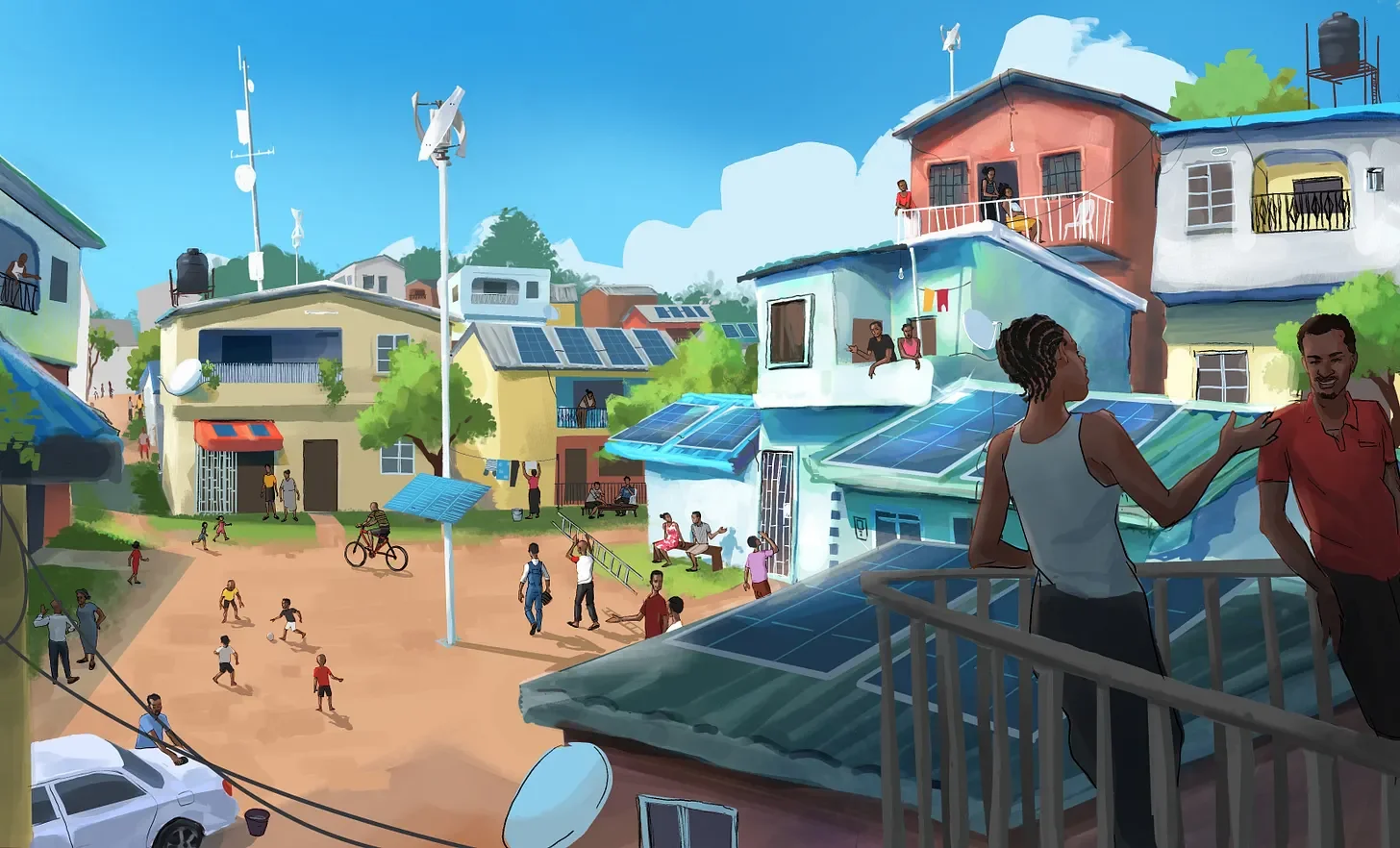
Art by Oboh Moses
Radical media are cultural forms through which radical ideas are made visible, intelligible, memorable, and persuasive. The ideological environment in which people’s drives and consciousness develop is shaped by the literature, music, films, podcasts, internet memes, and other media they encounter. But there is no singular “People” to whom radical media can deliver its message. Different people have different experiences, concerns, cultural references, media diets, and reasons for being receptive—or unreceptive—to particular ideas. Radical media must therefore attend to cultural context and communicate in ways that connect radical ideas to people’s particular frustrations, hopes, and aspirations.
As the saying goes, the medium is the message. Different forms make different ideas easier to understand and feel. A novel can explore possibilities that a political essay can only describe, while a painting can make a different way of living feel tangible. Where possible, radical media can even highlight projects that are putting radical ideas into practice, making people aware of existing alternatives. Rather than simply declaring an ideological position, radical media can communicate through narrative, emotion, and imagery. Radical media can be the answer to the question of what we want to encourage people to imagine and desire.
When it comes to radical education, the aim is to develop resources that expand people’s powers, drives, and consciousness to understand, investigate, reflect upon, and change the world around them. It does this both by deconstructing the ideas through which the status quo is understood and by constructing new ways of thinking about the world.
Deconstructing the status quo means interrogating assumptions that are presented as natural, inevitable, or common sense. Through study, we can learn to recognise how these systems came to exist and whose interests they serve. History, economics, science, and other fields of knowledge can give people the language and frameworks they need to make sense of the experiences they’ve had and identify the relationships and processes that shape their lives. The purpose of such education is not to replace one narrative for another, but to equip people with the ability to question, compare, test, and revise a variety of frameworks, both mainstream and marginal, for themselves.
However, while acts of promotion can help people understand the world and imagine a different one, it is not enough to have knowledge and imagination. Ideas have to be tested against experience. We must develop the relationships, infrastructure, and institutions through which we can experiment with a different way of living and organising society.
Acts of Prefiguration
Acts of prefiguration are attempts to develop and experiment with alternative ways of relating, organising, and meeting our needs in the here and now. The anarchist argument for social revolution is not that means and ends should be linked in important ways, but that they already are. Today is the preview of tomorrow. Thus, it is vital that organisational practices develop people’s powers, drives, and consciousness in a liberatory direction.
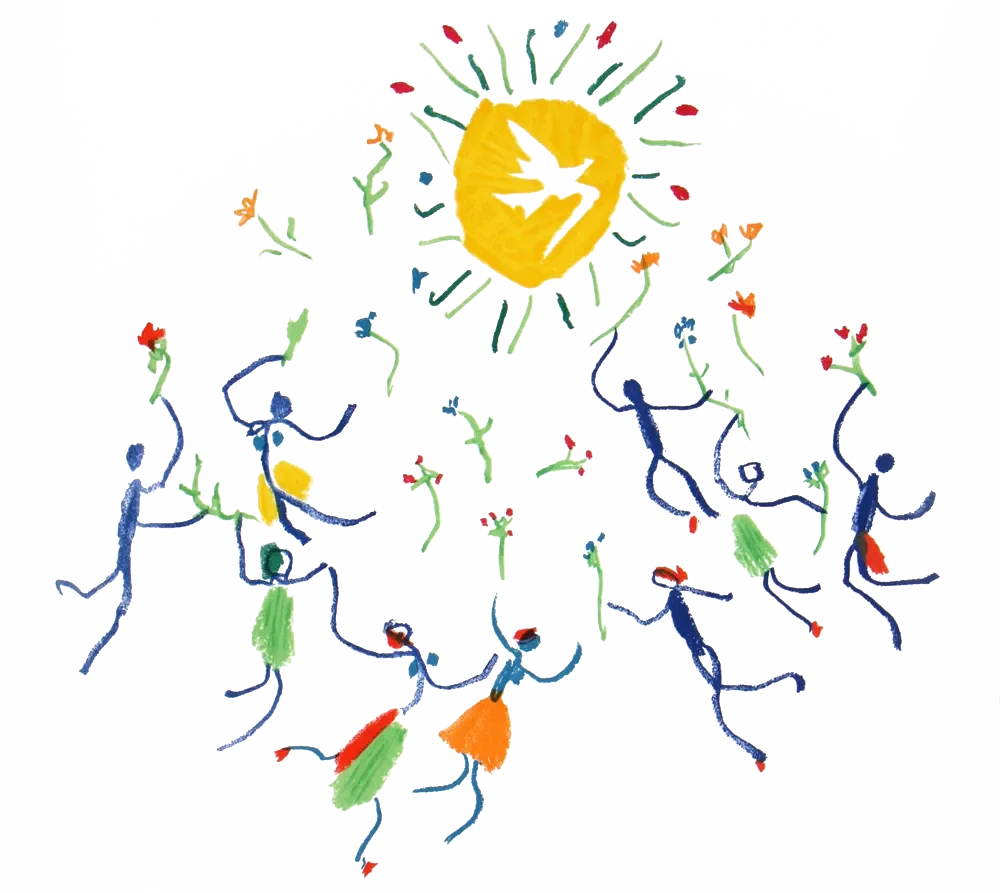
Art by Pablo Picasso
For anarchists, organisation begins with the principle of free association. While recognising our mutual interdependence, people remain free to associate and disassociate with others according to their interests, goals, needs, and desired activities. Associations are means for pursuing particular purposes rather than sovereign bodies to which people are subordinated. Where people need to coordinate, agreements emerge between the individuals and associations involved. They can negotiate, compromise, divide responsibilities, seek out expertise, change their approach, or go their separate ways, as agreements and associations persist for as long as the people involved continue to affirm them.
Free association naturally requires spaces in which people can encounter each other. Spaces of encounter are places, offline and online, where people can meet, exchange information, discover affinities, negotiate differences, and associate around particular goals. They can be formed wherever people gather: community centres, parks, libraries, workplaces, schools, and more.
From the principle of free association, a wide variety of prefigurative associations might emerge. Their specific manifestations would depend on the needs, interests, resources, and circumstances of the people involved.
Associations concerned with survival can help people meet their immediate needs while building relationships that expand our capacity for collective action. These might take the form of food distribution, emergency housing, disaster response, or other programmes that provide people with basic resources and stability. Whether organised through mutual aid or charity, their prefigurative potential lies in people taking responsibility for caring for one another rather than leaving those needs entirely to states, capitalist enterprises, or non-profit organisations. By bringing people into sustained relationships around concrete needs, these associations can build the kind of trust that makes further projects and struggles possible.
Consultative associations can address the need for knowledge and coordination by gathering and disseminating information, expertise, and feedback between people and groups who need it at scales ranging from the local to the global. Such networks can make specialised knowledge and popular feedback more accessible while maintaining the autonomy of individuals and groups to self-determine.
Resource-sharing associations can develop and maintain commons through which people gain access to goods and infrastructure without each person needing to own their own individual supply. A library of things, for example, could begin with a group of people pooling tools and other resources that they are willing to share, developing systems for storing, maintaining, circulating, and replacing the resources in question.
Mutual credit networks can facilitate reciprocal exchange by allowing participants to issue and receive credit within a network. Guided by the maxim of “cost the limit of price,” mutual credit provides a way to coordinate exchanges of labour, products, and services without requiring a central issuer of currency.
Associations might also dedicate themselves to organising the activities through which people sustain and develop one another over the course of everyday life. Common housing, agriculture, utilities, workplaces, childcare, healthcare, education and skill-sharing, conflict resolution, and defence preparation could all become the basis for voluntary associations and networks. A group of neighbours might organise childcare among themselves. Workers across several workplaces might coordinate production or share resources through a wider network. And from nursery through college, in community centres, parks, libraries, and other shared spaces, learners and facilitators can collaborate to develop and self-manage an autonomous education system to distribute knowledge and skills throughout a community. There aren’t any singular models to be imposed everywhere and on everyone, but a variety of arrangements waiting to be explored by people striving to be free.
However, there remain strategic limits to what can be built openly and legally. Existing institutions gatekeep access to land, money, infrastructure, information, and other resources. Working within those constraints can make projects more sustainable and accessible to more people, but their compatibility with the status quo can also limit the extent of what they are able to do. On the other hand, attempts to circumvent those constraints through illegalist activity—such as organising housing through squatting instead of applying for a community land trust—can open possibilities that would otherwise be unavailable, while isolating the project and exposing its participants to risks they may not have the power to withstand.
Proposed explorations of our experimental possibilities often invite the question of scale. Expansion may not be a necessary goal for every initiative, as some projects are most effective when they remain relatively small. Many others, however, may benefit from connecting with more people, accessing greater resources, and coordinating across wider areas. It is sometimes assumed that doing so requires a vertical concentration of authority. But I see no reason why projects could not scale horizontally, allowing independent associations to connect through networks, federate around particular purposes, share information and resources, and coordinate projects that exceed the capacity of any particular group.
Acts of prefiguration can provide real benefits for people without necessarily challenging the powers that be. After all, a few survival programmes, tool libraries, and community spaces are hardly going to unseat the status quo all on their own. No singular solution will save us. Such projects are not pointless. They help develop relationships, build power, cultivate drives, and expand consciousness. But they form only part of the overarching project of social revolution. We cannot simply walk away from existing society and build an anarchist world somewhere else. The structures we oppose surround us, and they determine many of the conditions under which our experiments are possible. Yet we also cannot sustain an uphill struggle indefinitely without resources, knowledge, relationships, and infrastructure that gives people something to build toward and something to fall back on. The success of social revolution may therefore depend upon the combined acts of promotion, prefiguration, confrontation, and noncooperation.
Oppose and propose. Propose and oppose. Revolution as a variety of associations and individuals embracing complexity and flexibility, undertaking a variety of roles, tactics, and strategies in a variety of settings. Ultimately, the social revolution is not a single revolution. It consists of the many movements and projects from below, by and for the oppressed, growing and coalescing, in periods of evolution and flashes of insurrection, to achieve their own liberty.
Of course, we cannot know how this process will play out in advance, as people in the future experiment with possibilities within contexts that are difficult for us to imagine from within the constraints of the present. I consider this a source of encouragement. The possibilities of anarchy are largely unprecedented.
Social revolution is an ongoing and uneven process to make society more diverse, open, and free: expanding pockets of social change around the world until new examples of what life could be are made known to all. On a final note, remember that even in the midst of struggle, it’s not all just serious business. Revolution can (at times) even be fun—a carnival toward a better life for all.
What is is not all that could be.
All power to all the people.
Peace.